
Quality and date of the radiological data
Planning before the procedure
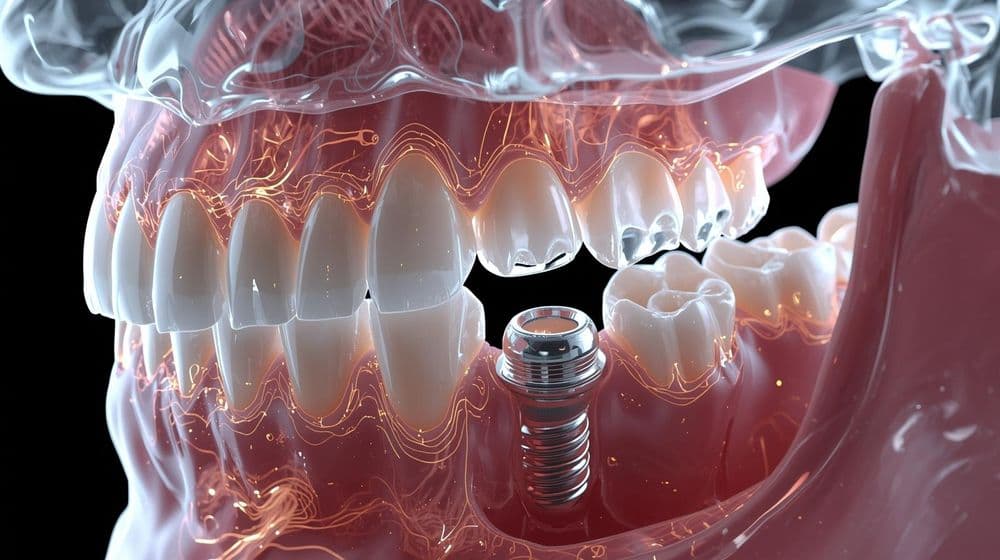
3D dental crown and implant simulation
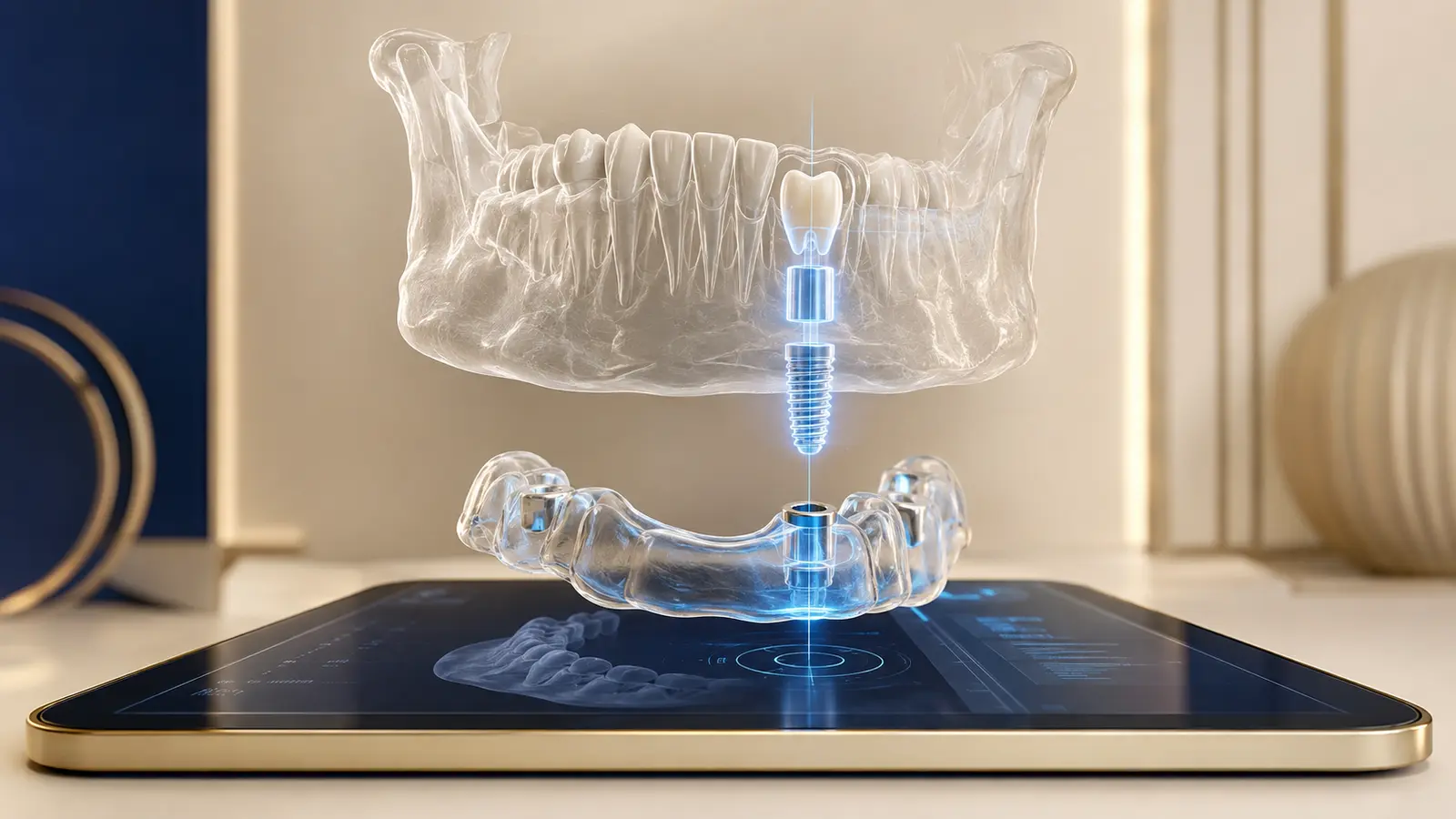
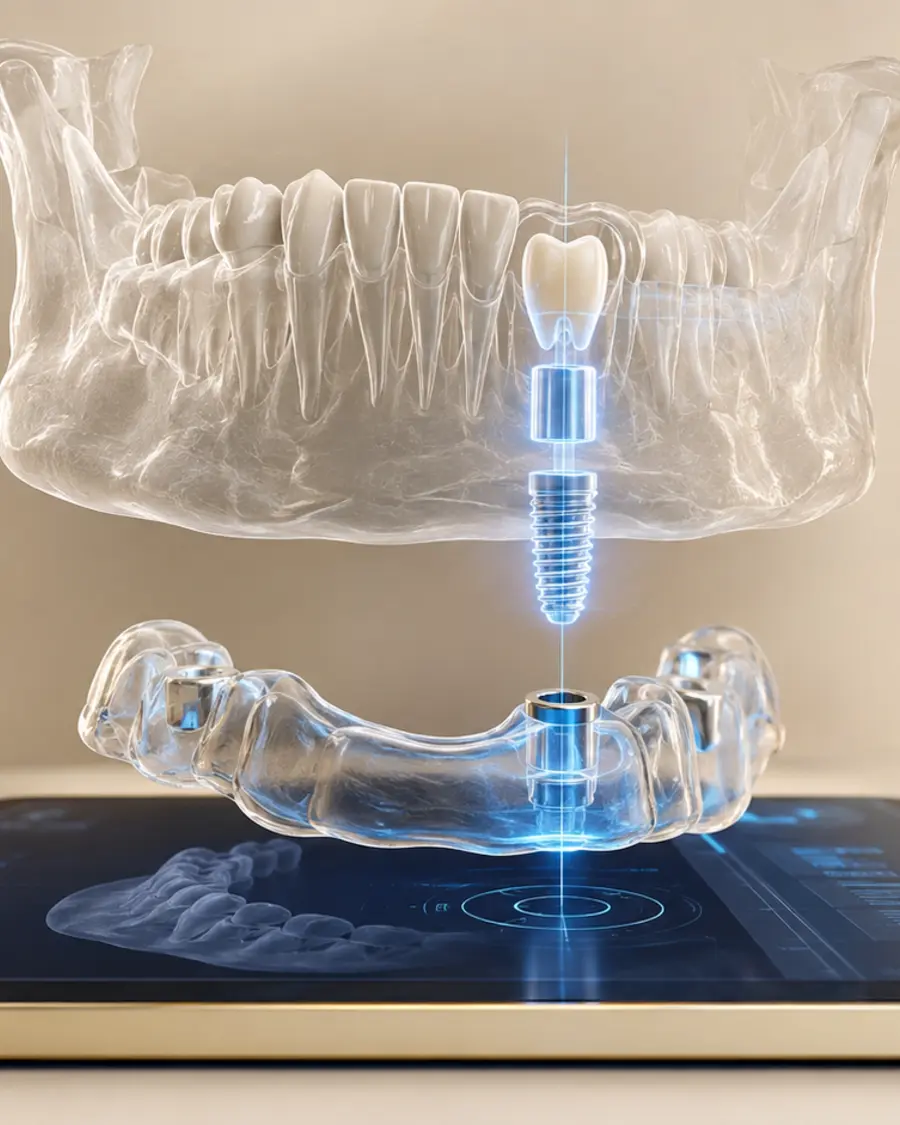
Digital planning that brings together the anatomy, the prosthetic project and, depending on the case, a surgical guide or a trial mock-up.
- Recovery
- No anaesthesia or recovery for the simulation itself
Price and stay
3D Dental Crown and Implant Simulation
FreeBase price
- Hotel
- Hotel not includedFor treatments over €10,000, one week of hotel accommodation is complimentary on the first stay.
Included
- 3D scan
- simulation
Base price shown as a guide: your personalised quote, drawn up after assessment, is the one that applies.
Get a personalized quoteGoals and benefits
3D dental crown and implant simulation
Dental 3D simulation is a planning step, distinct from the cone beam CT scan.
The benefits
- Visualisation of the project before certain irreversible steps
- Planning combining anatomy, occlusion and the future restoration
- Helps identify certain anatomical and prosthetic constraints
- Mock-up or surgical guide possible depending on the indication
- Better coordination between the clinic and the laboratory
- Comparison of several treatment options
- Data and digital project can be kept in the record
- Indicative preview, subject to clinical validation
Linking the scan to the future restoration
The scan shows the anatomy, the digital impression describes the teeth and the tissues, and the prosthetic project specifies the desired position of the future tooth. These data can be merged.
- Visualisation of the anatomy and of the final project
- Anticipation of the prosthetic constraints
- Guide or trial mock-up when it brings a benefit
What the practitioner assesses
Consistency between scan, impression and occlusion
Tolerances of the guide and the clinical adjustments required
Treatment video
Educational animation of the main treatment stages. The actual protocol is adapted to each patient's diagnosis.
Procedure
The treatment process
Clinical assessment and data collection
Examination of the teeth and gums, photographs, analysis of the occlusion and a digital or conventional impression. A cone beam CT scan is added only when it is necessary for the diagnosis or the surgery.
Data merging and prosthetic project
The images, impressions and clinical information are brought together. The shape of the future crown, the position of the teeth and the functional constraints are studied before planning the implant or the restoration.
Virtual planning
The practitioner virtually studies the position, axis, dimensions and safety distances. For an aesthetic project, they evaluate the proposed shapes and proportions, which remain indicative.
Surgical guide or mock-up when necessary
A surgical guide can be manufactured to transfer the implant project, or a mock-up can be tried in to evaluate an aesthetic project. Their fit and clinical consistency are checked before use.
Clinical validation and adaptation during treatment
The project is validated with the patient and then confronted with the real conditions. The practitioner can adapt it during surgery or prosthetic try-ins. The final position and the result are checked after the treatment.
Technology and materials
CBCT, optical impression and computer-aided design
Accuracy depends on the quality of each set of data and on their registration. The simulation remains a decision-making aid and not a guarantee of an exact result.
Safety
Contraindications
- The simulation complements the clinical examination but does not constitute a diagnosis on its own
- Cone beam CT scan only when clinically indicated, with a field adapted to the area studied
Frequently asked questions
Does the 3D simulation show exactly the final result?
It represents a project. The tissues, healing and clinical adjustments may lead to modifications.
Is a surgical guide always used?
No. It is indicated when its benefit outweighs the constraints and when the data allow it to be manufactured reliably.
Related treatments
Request your quote
Ready to transform your smile?
Send us your panoramic X-rays and photos to receive a free assessment and a detailed treatment plan within 24 hours.
Free consultation within 24h
Updated on